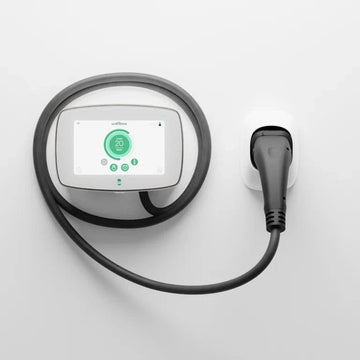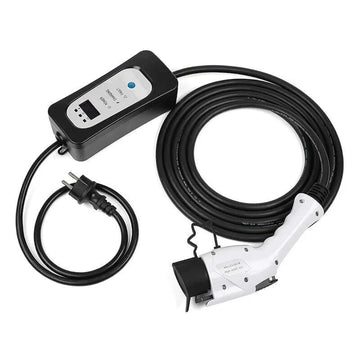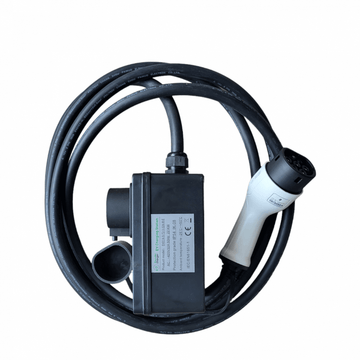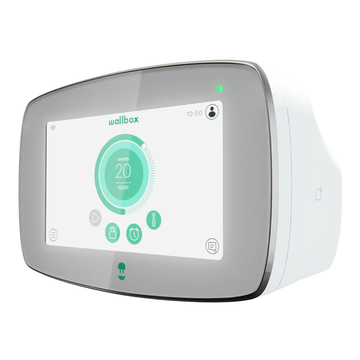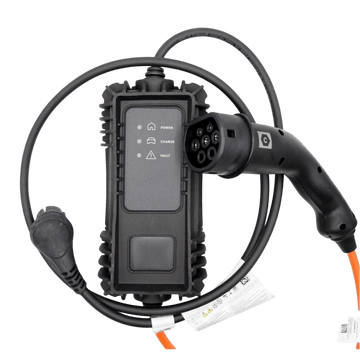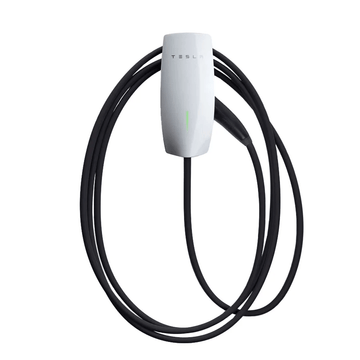

An EV charging cable is a cord that connects an electric car to a charging station or home charging point. It transfers power from the source to the vehicle's battery.
These cables come in different types and lengths, which depends on the car model and power ratings. Some vehicles use type 1 charging cables, other vehicles use type 2 charging cables, which is more popular in Europe. You can check out different types of charging cables.
Electric vehicles are becoming more common in our daily lives, and understanding the basics of EV charging is important for EVery EV owner. EV charging cable is one of the most essential parts of an EV charging setup. But sometimes the cable that comes with the EV charger may not be long enough. This is when people start asking: how to extend EV charging cable?
You can’t use any extension cords. You need a specialized EV charger extension cable made for electric vehicles, which meets safety standards and works with your main charger.

How to extend EV charging cable?
The safest and most efficient way to extend EV cable is by using a proper EV charger extension cable or EV extension cable that is designed for electric vehicles. These cables are not regular extension cords you’d use in the garage. They are made to handle high power ratings, resist voltage drop, and are suitable for outdoor charging.
The existing cable may be too short, but you can extend it with a type 2 extension cable or a type 1 to type 2 charging cable, suitable extension depends on your EV type. For example, if you’re using a type 2 EV, you can find suitable extensions at this type 2 charging cable collection. If you need to convert, use a type 1 to type 2 adapter.
You should make sure the extension cable connects tightly and fits properly.
Can I safely extend an EV charging cable using an extension cord?
The short answer is no. It’s not recommended to use regular extension cords to extend your EV cable. Regular cords are not built to handle the high electrical current that EVs draw. Using an incorrect extension cable may cause voltage drop, overheating, or electrical fires.
Instead, use a certified EV extension cable with correct IP ratings, which is suitable for outdoor use, especially if you charge during heavy rain or extreme conditions. Some EV extension cables are labeled as waterproof, which means they are safe to use outside as EV wall chargers.
Are there specialized EV extension cables?
Yes, there are specially designed EV charger extension cables available in various lengths (usually from 5 to 20 meters). These cables are made to carry the high current required for EV charging that do not overheat. They are available in type 1 and type 2 versions. You can also explore options like Tesla charging cables or 22kw home chargers for faster and longer-range charging.
What is the longest EV charging cable?
The maximum recommended length for a charging cable is around 25 meters. Longer cables can cause voltage drop, which is more likely if home charging setup lacks proper wiring. You can still buy longer EV charging cables, but they must be high quality and rated for correct power ratings.
Which charging solutions can you extend?
You can extend mobile connectors, home chargers, and some public charging station setups using a proper extension cable for EV charging. HowEVer, not all setups support extensions. For example, some charging stations have locked-in cables that can’t be extended based on drivingelectric.com data.
If you’re planning to install your own charging station, here’s a helpful guide on how to install EV charger at home and also info on EV charger installation cost.

Tips for EV extension cables
- Choose the right type (type 1 or type 2) that matches your vehicle .
- Look for IP ratings, higher IP rating is better for outdoor charging.
- Check the power rating, it should match your charger and vehicle needs.
- Avoid extremely long cables, because they increase voltage drop.
- Always plug directly into a grounded socket.
- Waterproof and heavy-duty cables are essential for charging in heavy rain.
- You should inspect cables regularly for wear or damage.
- Buy from trusted sellers, explore reliable options like EV home chargers or type 1 to type 2 charging cables.
Electric mobility is growing fast, and having suitable extension cable helps EV owners stay charged no matter where life takes them.

What are the risks of using an extension?
Using the wrong extension cable involves sEVeral safety risks:
- Overheating and electrical fires
- Serious voltage drop, which slows charging
- Damage to your vehicle’s charging system
- Problems during extreme conditions like heat or rain
- Damage to your charging station
- That’s why you should only use approved EV cables and accessories.
Following these tips helps you extend your EV charging range safely and keep your electric vehicle charged and ready. The right EV extension cable makes a huge difference at home, in the garage, or at public charging stations.