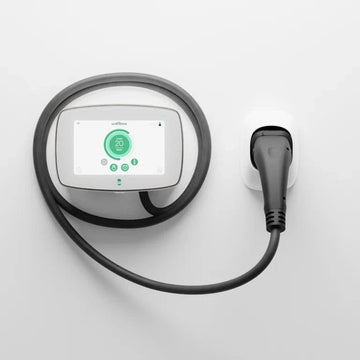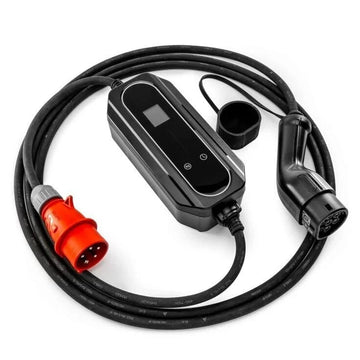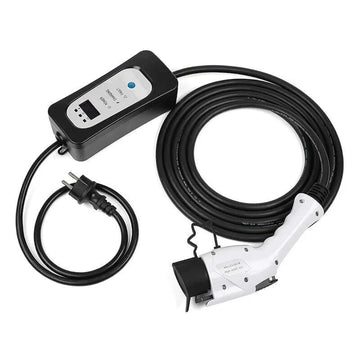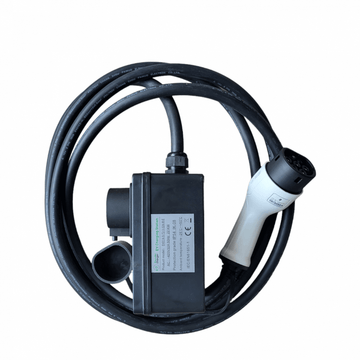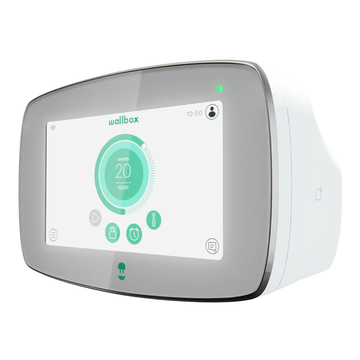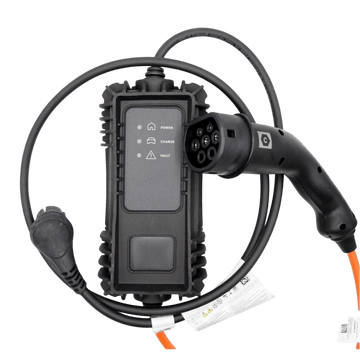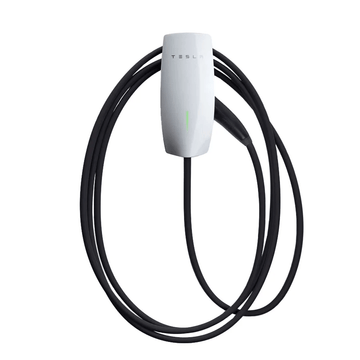

Installing an EV charger at home means fitting a dedicated electric car charging point, which is usually on a wall, that charges your vehicle faster and more safely than a standard household plug. This setup is ideal for regular home charging and long-term use.
If you want to install an EV charger at home, here's what you need to do:
- You should pick a spot close to where you park so the charging cable can reach easily.
- Make sure your home’s electrical system can handle the power for the charger, most houses use 7kW chargers, but faster chargers (22kW) need a special setup.
- You should hire a certified electrician to check everything and do the installation.
- You should choose a smart charger that works with your car and has features like setting charging times, tracking energy use, and Wi-Fi.
The whole thing usually takes just a few hours, right planning and a pro make possible quick and effective installation, which makes charging your car at home easier and cheaper.

Why Install a Home EV Charger?
Installing an EV charger has many pluses. Here's why we recommend it:
- Faster Charging: Home EV chargers can fully charge most electric cars overnight significantly quicker than a regular household plug.
- Smart Features: Many chargers allow scheduled charging, which occurs during off-peak hours, that helps save on energy costs.
- Enhanced Safety: Purpose-built chargers include safety features like surge protection and weatherproof casings, ensuring safe, controlled power delivery without overheating.
- Convenience: Installing an EV charger and having a home charging station is also convenient. You can plug in your EV at home as soon as you arrive and wake up to a fully charged battery. Home charging eliminates searching for or waiting at public chargers.
- Energy Monitoring & Remote Access: Smart chargers come with Wi-Fi connectivity, which enables remote control, energy usage tracking, and integration with solar panels.
- Efficiency & Ease: Overall, a home EV charger simplifies electric vehicle ownership and makes ownership more efficient, cost-effective, and user-friendly.
Checklist Before Installing a Charger for Electric Vehicles
You should consider a few things before EV charger installation:
- Parking Location: Your car should park close to where the charger will be installed. Most charging cables are about 5 meters long, so keep this in mind.
- Power Capacity: Your house needs to have enough electrical capacity to support a charger. Most homes can handle a 7kW home charger, but faster charging (22kW) requires a three-phase power supply.
- Cabling Plan: You should decide how and where the cables will run. Cable routing can be above ground, underground, or through walls and that can affect the installation cost.
- Installer Coordination: You should use a qualified electrician with charger installation experience. A qualified electrician will also contact your distribution network operator (DNO), if needed.
- Future Proofing: You should think ahead about future EV needs. Consider a dual charger or one that includes load management using a CT clamp, which prevents overloading your home.
Choosing the Right Location for Your EV Charger

Location matters for both safety and convenience. The charger should be as close as possible to your parking space, it can be the garage, driveway, or side of the house.
You should choose a spot where the cable can easily reach your car without stretching across walkways or driveways. Also, you should think about where the plug is on your vehicle, it influences where you should place the charger.
Make sure the installation area has good access for the electrician. The surface (like a wall) should be strong enough to hold the unit, and there should be enough space for the cables and protective elements.
Also, you should pick a spot that allows easy upgrades, without extra construction later.
Home Power Supply Requirements
The most common home charger is a 7kW unit, which is perfect for most homes with single-phase electricity. It can fully charge a standard EV overnight. A 22kW home charger is faster than a 7kW unit, but it requires a three-phase power supply, which many homes don’t have.
You should check your power supply capacity. Overloading your system could cause voltage drop issues or damage home wiring. Your installer will check power capacity during the site survey.
For smart load balancing, some systems use a CT clamp that monitors overall energy usage and reduces charging speed if total home usage gets too high.
Which EV Charger Should You Install?
You should consider the following when choosing a home EV charger:
- Smart Features: Units should support smart charging, because it allows control of schedules, energy monitoring, and app-based management.
- Compatibility: Charger should be compatible with your electric vehicle and charging plug type (Type 1 or Type 2 charging cables). For example, Tesla drivers or mixed plug users may need accessories like Tesla charging cables or a Type 1 to Type 2 adapter.
- Warranty: You should choose a charger with a solid warranty and a trusted brand.
- Ease of Use: EV wall chargers are popular and space-saving. Some chargers come with tethered cables, other chargers are untethered, so you use your own cable, based on electricvehicletalks.com data.
- Future Proofing: Some charger models support dual charging or software updates for future features.
Also, you should look for installation included in the price, because many suppliers offer standard installation included in the purchase cost.
Electrical Cable Options and Routing Considerations
EV charger installation requires the right cabling. The installer will choose the best cable based on the charger’s power and location. Here's what matters:
- Cable sizing: A 7kW charger typically needs a 6mm² cable. Longer cable runs or 22kW chargers require thicker cables.
- Data cables: Smart chargers with load management may need CAT5E or CAT6 data cables that connect the charger to the energy meter.
- Trench depth: Underground cables must be buried to a depth of 450mm or more with warning tape above them.
- Interference prevention: Data cables should be routed separately from power cables to avoid signal problems.
You should let your qualified electrician plan the best cable route to avoid unnecessary extra cost later on.
What’s the difference between Type 1 and Type 2 charging cables?
- Type 1 cables have a 5-pin plug, support only single-phase charging up to 7.4 kW, and are common in older North American and Asian EVs.
- Type 2 cables have a 7-pin design, support both single and three-phase charging up to 22 kW, and are standard in Europe and the UK. They offer faster charging and better safety with locking on both ends.
Required Electrical Upgrades Before Installation
Before getting your EV charger installed, you might need to upgrade some parts of your home's electrical system to ensure safety and compliance with regulations. These upgrades can make the installation more expensive, so it’s good to know what might be needed ahead of time.
- Cut-out fuse upgrade: This is the main fuse where power enters your house. A cut-out fuse may need to be upgraded by your distribution network operator (DNO) to handle the charger's demand. Fuse upgrade is sometimes done for free, but it can also come with an additional cost.
- Switch fuse and tails: The electrician may need to add or upgrade the switch fuse and main tails that connect the meter and consumer unit to ensure safe power delivery for your electric vehicle charger installation.
- Earth bonding: Your property must have proper earth bonding to metal pipes and systems to protect against electric shocks. This is part of making your charger installation fully compliant and safe.
- Consumer unit space: Your consumer unit (fuse box) must have enough space for a dedicated circuit and safety devices (e.g., RCBO (Residual Current Breaker with Overcurrent)). If no space exists, you may need a small secondary unit installed, which can increase the extra cost.
Do You Need a Wi-Fi Connection for Your EV Charger?
Many home EV chargers come with smart features like energy usage tracking, scheduling, remote control, and updates. These features require a reliable Wi-Fi connection. Here's what you should keep in mind:
- Smart features: Smart chargers help you save money by charging during off-peak times or when your solar panels produce extra power. They also help manage power supply during high demand.
- Wi-Fi coverage: Home chargers may have weak or no Wi-Fi signal if located far from your router, but Wi-Fi extenders signal problems by boosting your network range.
- Router proximity: You should try to install the EV charger within reach of your main router. If not possible, you should ask your installer about alternatives (wired connection or booster).
Having Wi-Fi isn’t always required for smart charging, but it makes smart charging more effective and gives more control over electric car charging habits.

Who Can Install a Home EV Charger?
EV charger installation must be done by a qualified electrician. In the UK and many other countries, the installer must be OZEV-approved if you want to apply for government grants or rebates.
- Qualified electricians: These professionals understand how to assess your home's power supply, choose the right cable, and ensure the charger meets safety standards.
- OZEV-grant installers: Ensure your EV charger installation is eligible for grants, and that the job meets national standards. This also protects your warranty.
- Warranty compliance: Manufacturers require certified installation for warranty validity.
You should never attempt car charger installation yourself, because DIY car charger installation is illegal and dangerous.
Key Installation Regulations and Safety Standards
Your EV charging setup must comply with current safety regulations that ensure both your car and home are protected.
Electric Vehicles (Smart Charge Points) Regulations require all home EV chargers to support smart charging, it ensures efficient energy usage and avoids overloading the distribution network. Also, smart chargers often include load balancing that adjusts charging speed based on your home’s total power draw. This protects your home from electrical overload.
Every home charger must be on its own dedicated circuit, with safety protections such as an RCBO and surge protection. These devices prevent fire and electric shock risks.
Following these rules is not just about legality, it ensures your home EV charger installation is safe, reliable, and future-proof.

EV Charger Installation at Home: Is It Worth It?
Absolutely. Installation cost can range from 400€ to 1200€, but it offers significant long-term benefits:
- Cost-benefit analysis: Charging at home is usually cheaper than using public charging stations. Charging during off-peak hours or using solar panels reduces energy usage cost per charge.
- Energy savings: Over time, you can save hundreds of euros annually by avoiding high energy tariffs at public stations. Smart chargers also help optimize how and when you pay for electricity.
- Property value: Having a home charger can increase your property value and make your home more attractive to future buyers as electric vehicles are becoming the norm.
- Solar panel synergy: Solar panels can be connected to your charger and fully charge your electric car using free, clean energy. This reduces both energy usage and carbon emissions.
Installing an EV charger has an upfront price and possible extra upgrade costs, but it also pays off in savings, convenience, and added value to your house.
Can I Install an EV Charge Point at Home Myself?
No. You should never attempt fitting electric car charger equipment yourself. Home EV charger installation must be carried out by a qualified electrician that ensures hassle-free installation. DIY charger installation is dangerous and it may void your charger’s warranty and insurance.
How Long Does Electric Car Charger Installation Take?
Most EV charger installations take around 2 to 4 hours. However, installation time can vary depending on distance from the consumer unit, electrical upgrades, underground cabling, or Wi-Fi access. Standard installation can be done in less than half a day.
So, installing an EV charger at home starts with a little preparation and ends with big savings in time, money, and convenience. Whether you're switching to an electric vehicle for the first time or upgrading your setup, a well-planned home EV charger installation is a smart investment in your energy usage future.