
Type 2 Charging Cables
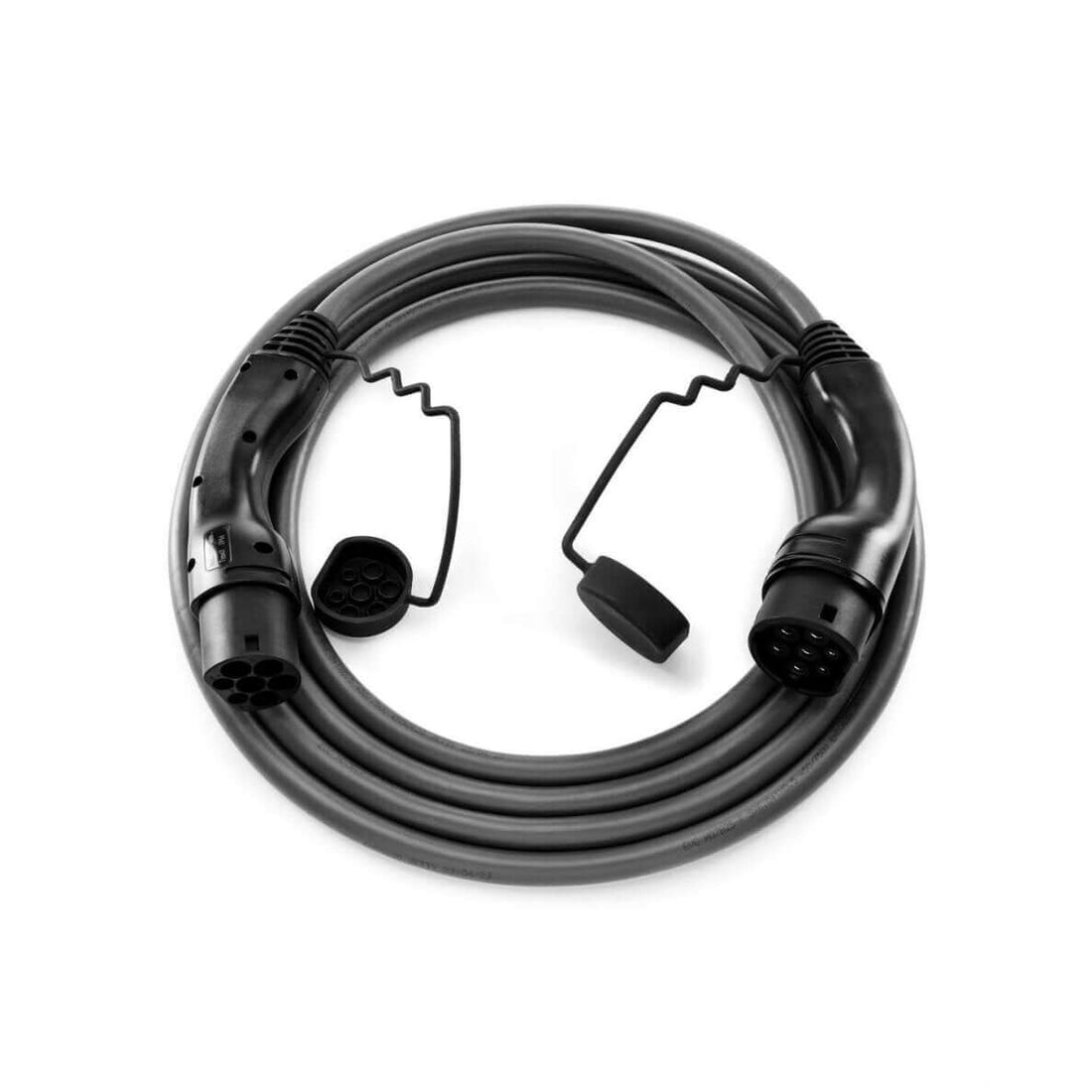
Charging cable Type 2 - Type 2 ( 32A, 3 Phases, 22KW ) - 10M
Regular price
€170,00
Sale price
€170,00
Regular price
Unit price
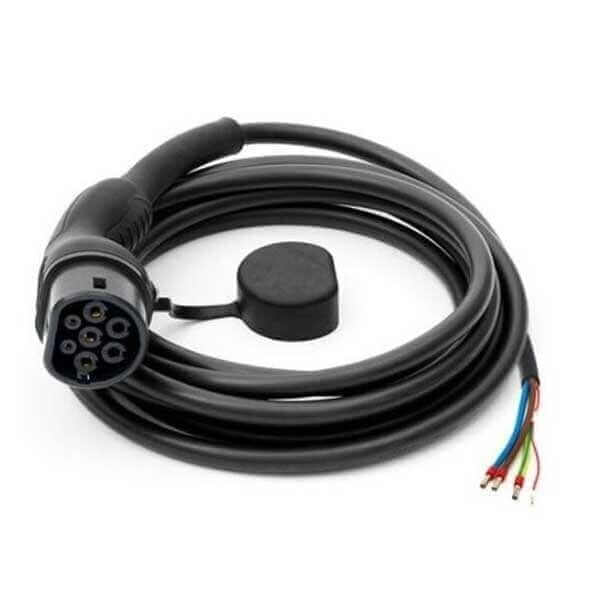
Replacement cable for EV charging station Type 2, 32A, 3 phases
Regular price
€120,00
Sale price
€120,00
Regular price
Unit price
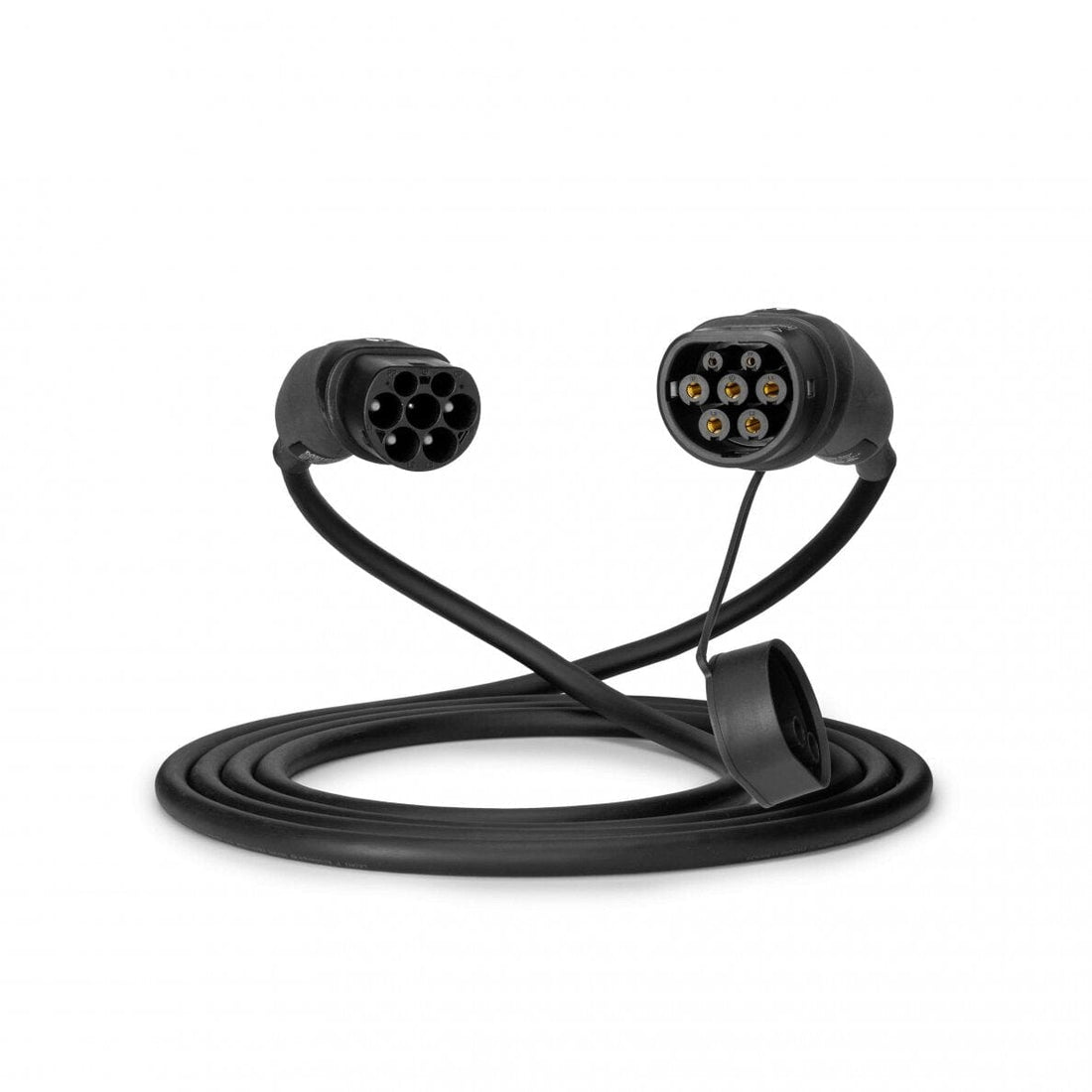
Mercedes-Benz charging cable Type 2 - Type 2 ( 32A, 3 phases, 21 KW )
Regular price
€120,00
Sale price
€120,00
Regular price
Unit price

Charging cable Type 2 - Type 2 ( 32A, 1 phase, 7 KW, 15m long )
Regular price
€140,00
Sale price
€140,00
Regular price
Unit price
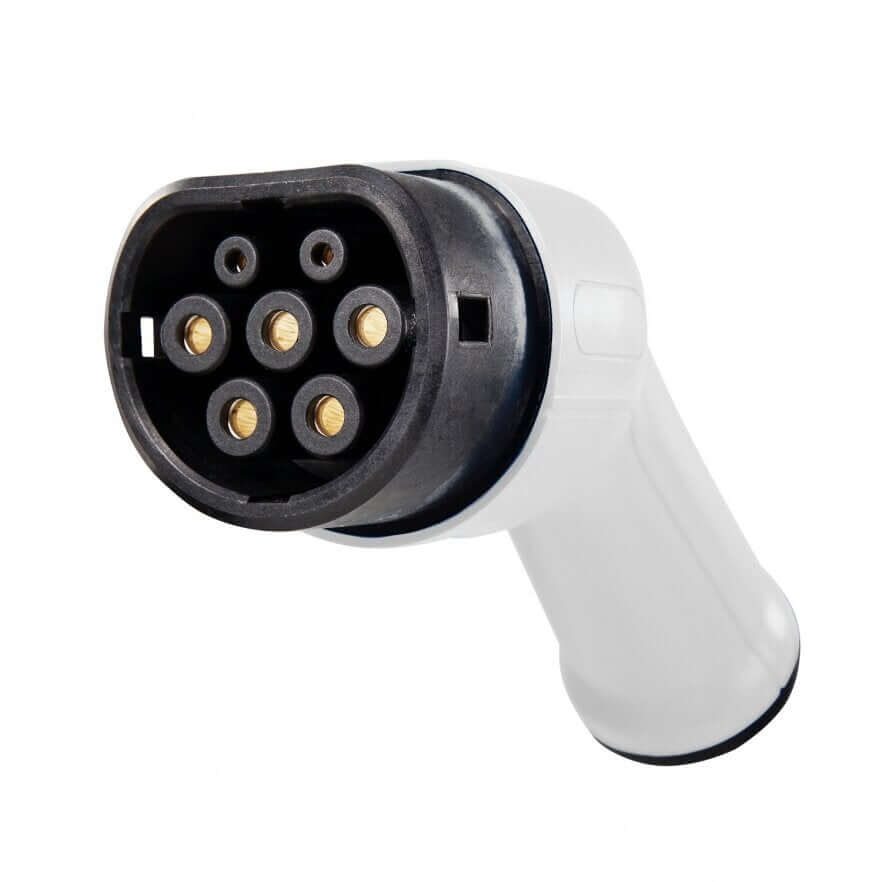
Type 2 charging nozzle 3F, adapter 32A
Regular price
€50,00
Sale price
€50,00
Regular price
Unit price
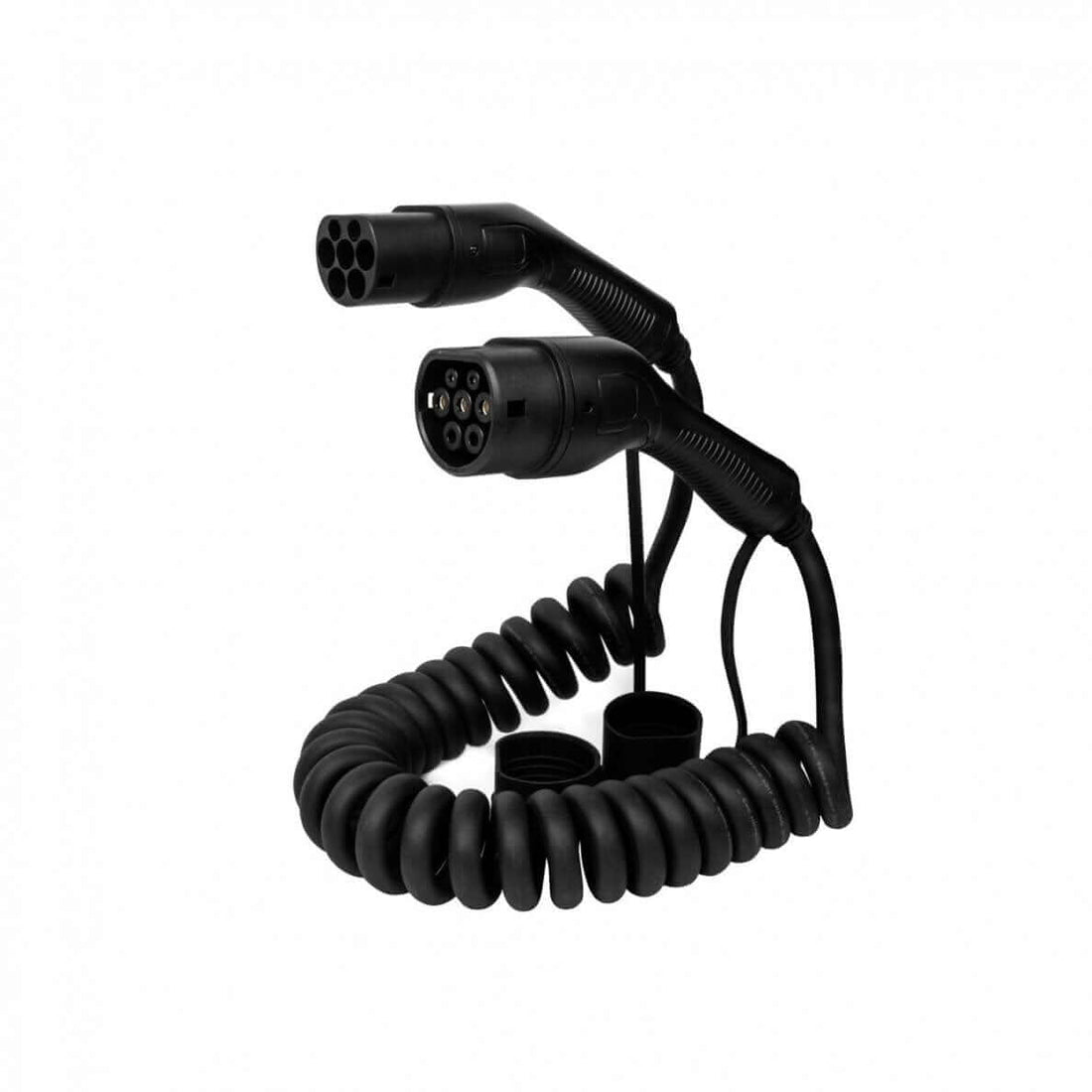
Spiral charging cable Type 2 - Type 2 - ( 3 meter, 16A, 3 Phases, 11KW )
Regular price
€110,00
Sale price
€110,00
Regular price
€169,99
Unit price
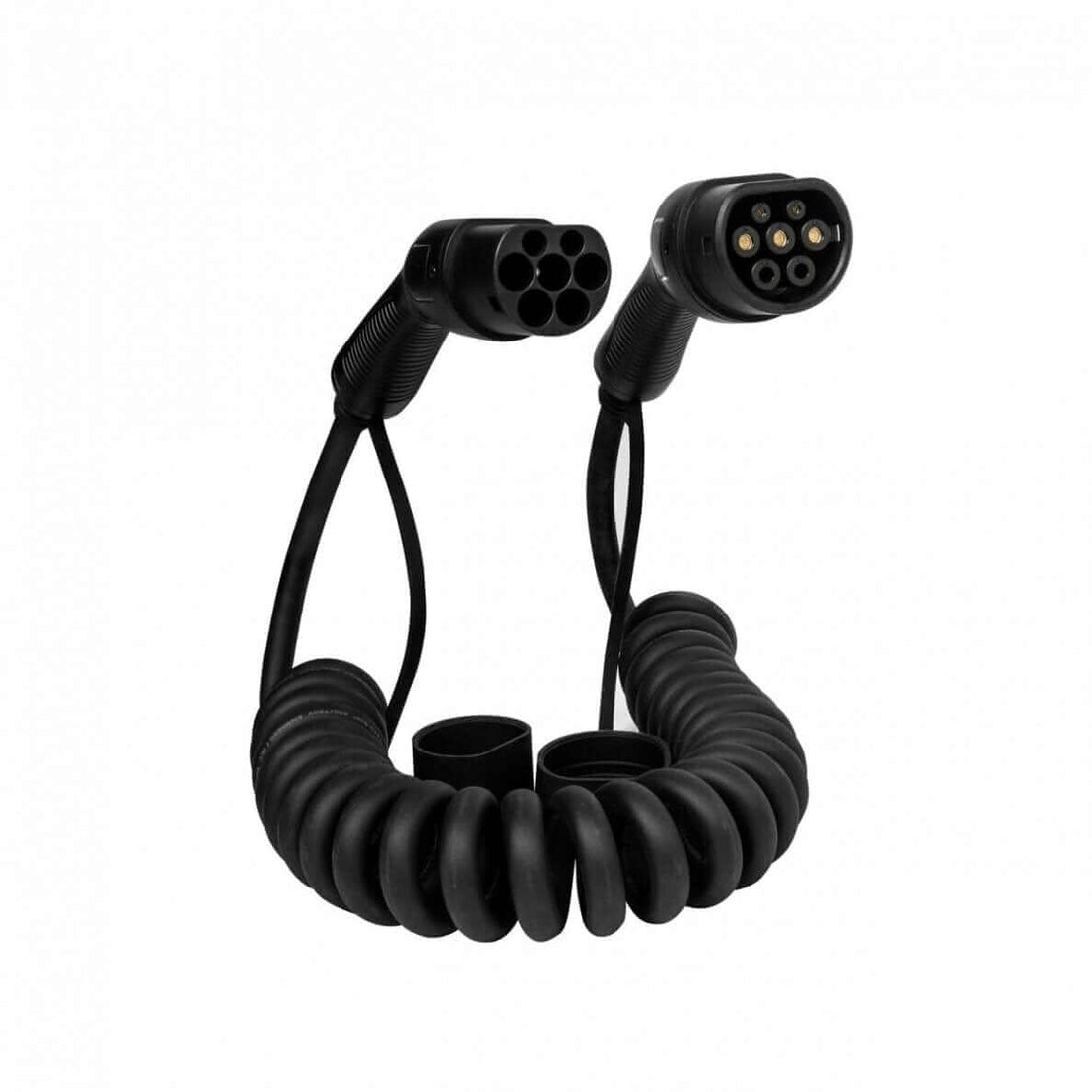
Spiral charging cable Type 2 - Type 2 (32A 3 Phases 22 kW)
Regular price
€120,00
Sale price
€120,00
Regular price
Unit price
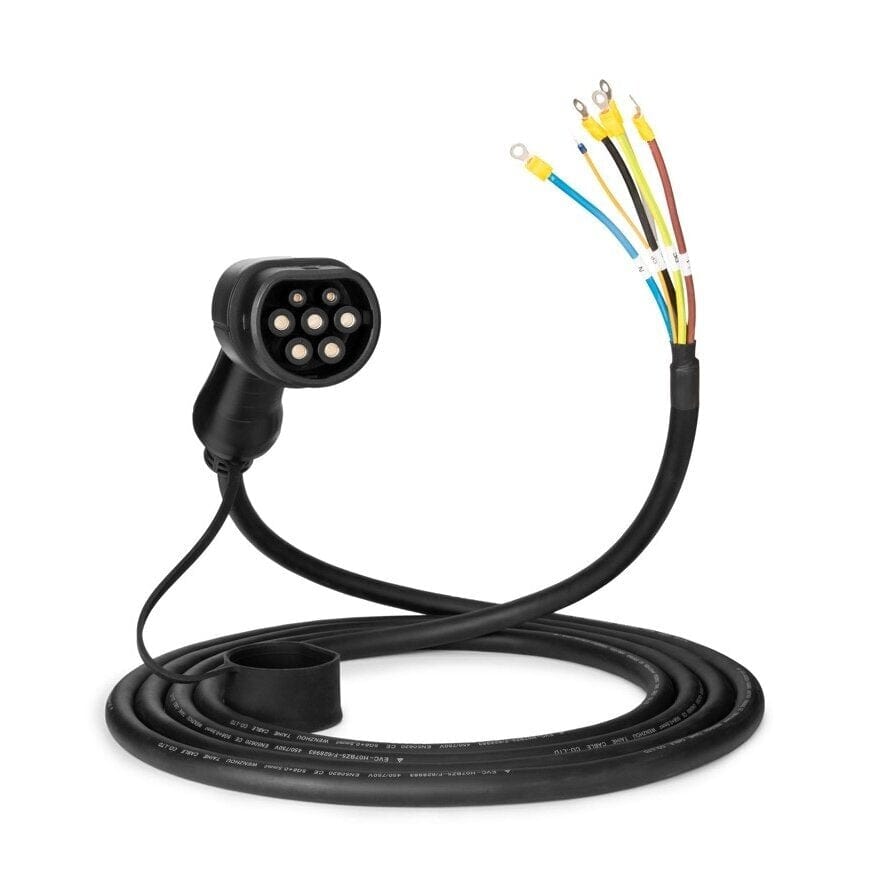
Replacement cable for EV charging station Type 2, 32A, 3 phases, 8m
Regular price
€135,00
Sale price
€135,00
Regular price
Unit price
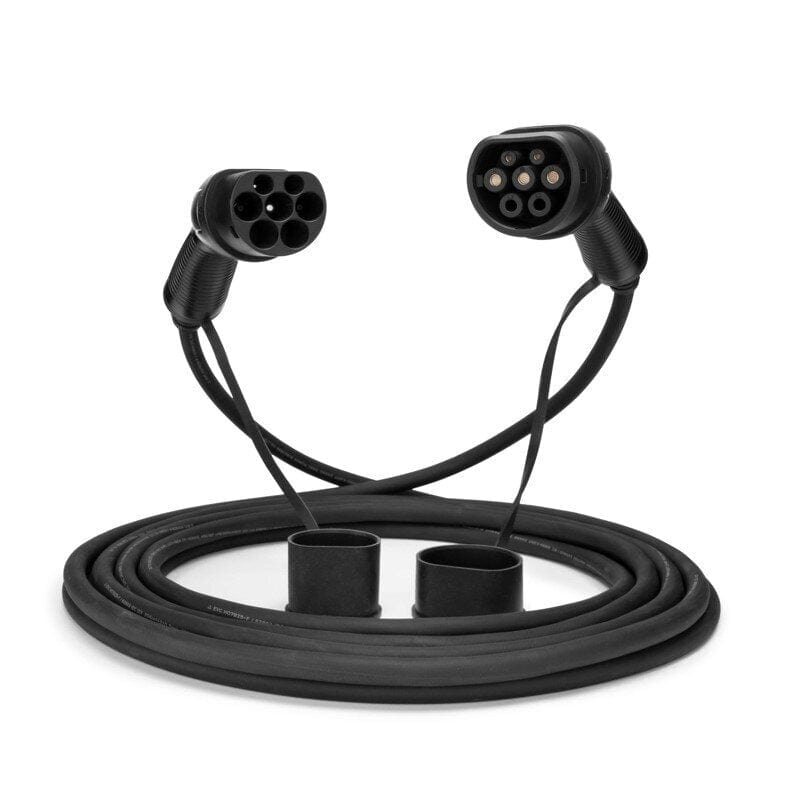
Charging cable 7 m long Type 2 - Type 2 ( 32A, 3 phases, 21 KW )
Regular price
€130,00
Sale price
€130,00
Regular price
Unit price
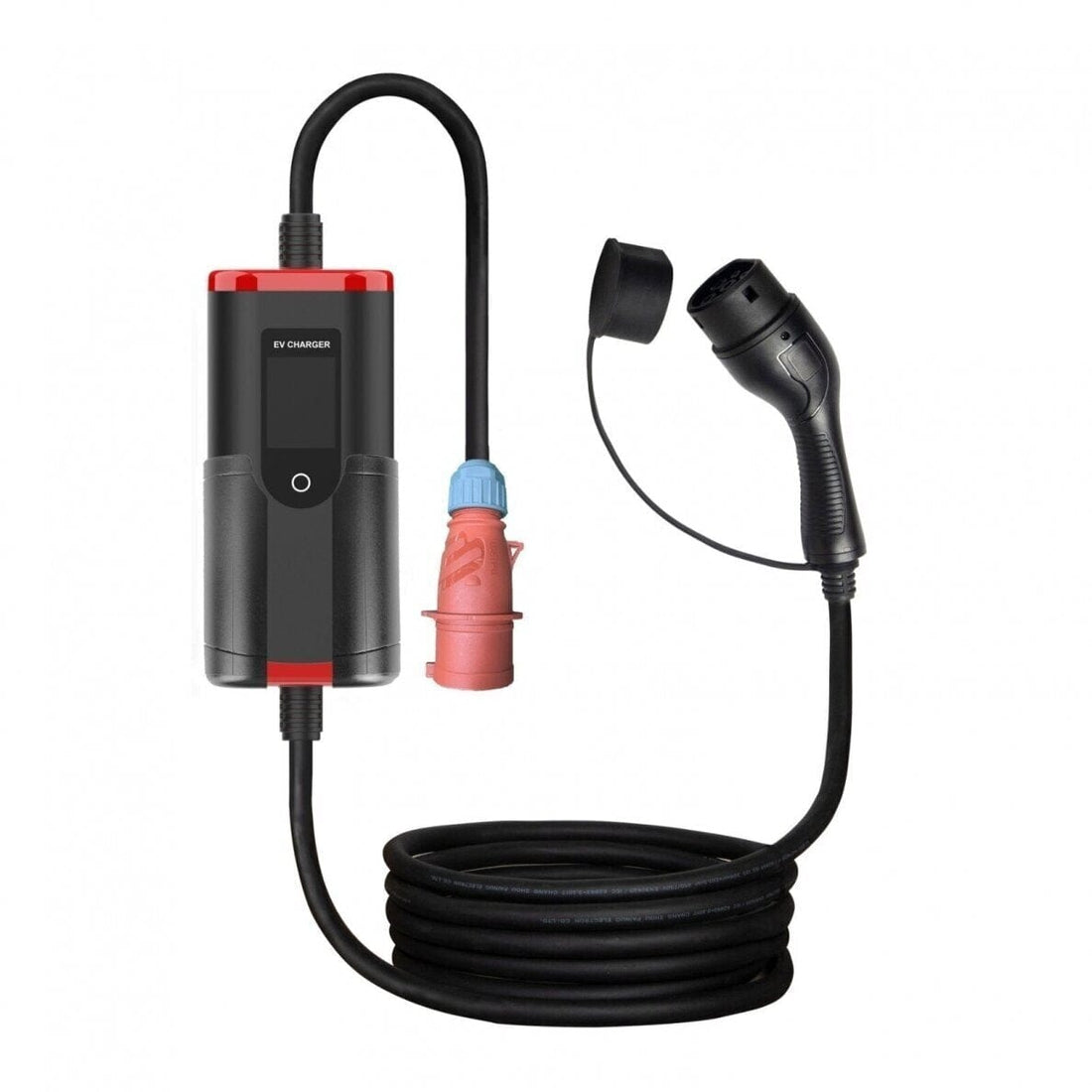
Charging cable 480 V - Type 2
Regular price
€290,00
Sale price
€290,00
Regular price
€339,99
Unit price
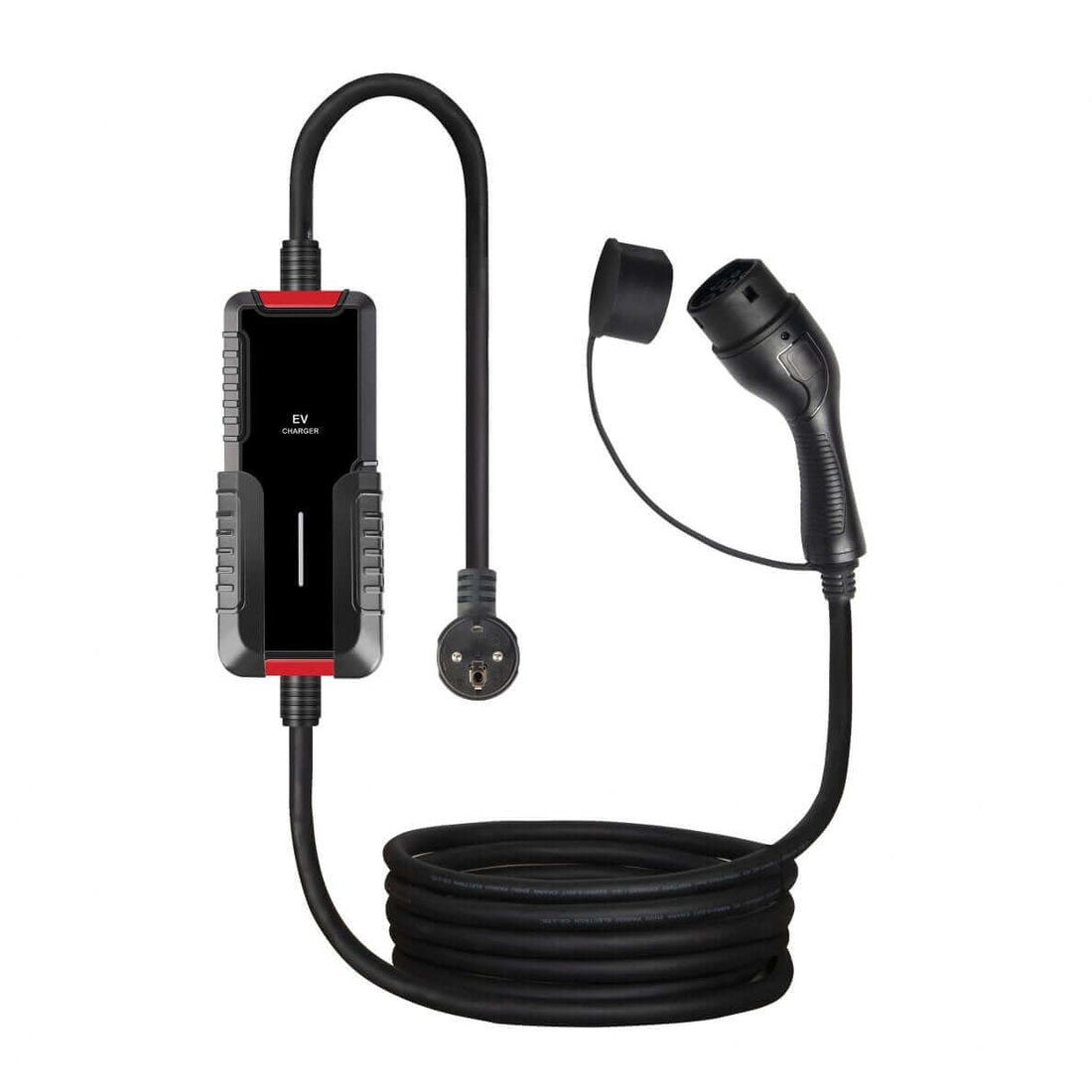
Charging cable 220V - Type 2 ( 16A, 1 phase 3,6 kW)
Regular price
€170,00
Sale price
€170,00
Regular price
€199,99
Unit price
Charging cable 220V - Type 2 ( 16A, 1 phase 3,6 kW) Wifi
Regular price
€170,00
Sale price
€170,00
Regular price
€199,99
Unit price

Charging cable Type 2 - GBT ( 32A, 3 phases, 22 KW, 5m long )
Regular price
€140,00
Sale price
€140,00
Regular price
Unit price
Charging cable Type 2 - Type 2 ( 32A, 3 phases, 22 KW, 15m long )
Regular price
€200,00
Sale price
€200,00
Regular price
Unit price
Charging cable Type 2 - Type 2 ( 16A, 3 phases, 11 KW, 10m long )
Regular price
€150,00
Sale price
€150,00
Regular price
Unit price
Charging Cable 480 V - Type 2 (16A, 3 Phase 11 kW, 15m long)
Regular price
€320,00
Sale price
€320,00
Regular price
€339,99
Unit price

Charging cable 220V - Type 2 , 5m ( 16A, 1 Phase 3,3 kW fix )
Regular price
€150,00
Sale price
€150,00
Regular price
Unit price

Genuine Kia charging cable Type 2 - Type 2, 22kw, 5m long
Regular price
€140,00
Sale price
€140,00
Regular price
Unit price

Genuine Hyundai charging cable Type 2 - Type 2, 11kw, 5m long
Regular price
€130,00
Sale price
€130,00
Regular price
Unit price
Charging Cable 480 V - Type 2 (16A, 3 Phase 11 kW) 15m long
Regular price
€300,00
Sale price
€300,00
Regular price
€339,99
Unit price
Charging Cable Type 2 - Type 2 (32A, 1 Phase, 7KW) - 10M
Regular price
€120,00
Sale price
€120,00
Regular price
Unit price
Charging Cable 480 V - Type 2 (16A, 3 Phase 11 kW) with Wi-Fi
Regular price
€280,00
Sale price
€280,00
Regular price
€339,99
Unit price
Replacement Electric Vehicle Charging Station Cable Type 2, 16A, 3 Phases, 5m Length - 11kW
Regular price
€90,00
Sale price
€90,00
Regular price
Unit price
Sort by
- Featured
- Most relevant
- Best selling
- Alphabetically, A-Z
- Alphabetically, Z-A
- Price, low to high
- Price, high to low
- Date, old to new
- Date, new to old
Type 2 Charging Cables additional information
Type 2 charging cables are the standard solution for charging electric vehicles in Europe, connecting a vehicle's Type 2 inlet to a wallbox or public AC charging station. This collection includes single- and three-phase cables rated from 3.3kW up to 22kW, in lengths from 3m to 15m, available in both straight and coiled designs. It also includes Mennekes and Mercedes-Benz charging cables, Type 1 to Type 2 cables for older or Asian-market vehicles, portable socket charging cables, plugs and replacement charging station cables. For cables with a Type 2 connector at both ends, see our Type 2 to Type 2 charging cable range.
- Power depends on current and phases — a single-phase cable supports up to approximately 3.6kW at 16A or 7kW at 32A, while three-phase cables support up to 11kW (16A) or 22kW (32A). Choose the power rating your vehicle and charging point support.
- Charging speed is limited by the vehicle and charging station — a cable only needs to match the highest power supported by your EV and the charging point. A 22kW cable will not charge a 7kW vehicle any faster.
- Type 2 or Type 1 at the vehicle end — most European EVs use a Type 2 connector, but some older or Asian-market vehicles require a Type 1 to Type 2 cable. Check your vehicle's inlet before buying.
- Portable socket charging cables — 220V and 480V portable charging cables allow you to charge from a household or three-phase socket when no wallbox is available.
FAQ's
Which power rating should I choose?
Choose a cable rated for the lower of your vehicle's and charging point's maximum supported power. If your EV supports 11kW AC charging on a three-phase supply, an 11kW (16A, three-phase) cable is sufficient. If your vehicle charges on a single-phase supply, a 7kW (32A) cable is the practical maximum. Choosing a higher-rated cable than your vehicle can use increases cost without improving charging speed.
Will a higher-rated cable charge my car faster?
No. Charging speed is limited by the lowest-rated component: your vehicle's onboard charger, the charging station or the cable. Once the cable meets or exceeds the maximum power supported by both the vehicle and the charging station, a higher-rated cable will not increase charging speed. Choose a cable that matches your setup rather than the highest-rated option available.
Straight or coiled, and what length?
Choose the cable length based on the distance between the charging point and your vehicle's inlet. A 5m cable suits most home and public charging setups, while 8–15m cables are useful when the charging point is further away. Straight cables are better for longer distances, while coiled cables are easier to store but have a shorter effective reach.
What is a portable (mode 2) charging cable?
A portable charging cable plugs into a standard 220V household socket or a 480V three-phase socket at one end and your vehicle at the other, allowing you to charge without a wallbox. Charging from a 220V household socket provides up to approximately 3.6kW, making it a practical backup solution or a convenient option when travelling.
Are Mennekes cables worth it over generic ones?
Mennekes helped develop the Type 2 standard, and its charging cables are manufactured to high standards with durable construction, which is why they cost more than many generic alternatives. If you charge daily and value long-term reliability, the higher price is often justified. For occasional use, a quality standard charging cable is a suitable choice.
