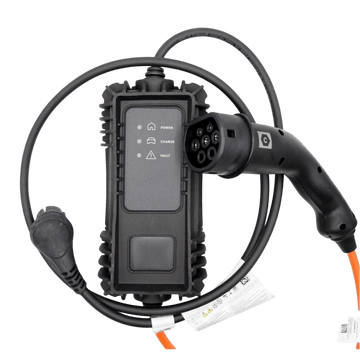

A 13 amp socket is a standard single-phase domestic electrical outlet commonly found in homes, that supplies up to 3 kilowatts of power. It is typically used for everyday household appliances but can also be used to charge electric vehicles using compatible charging cables or “granny chargers.”
Can you charge an electric car from a 13 amp socket? To answer shortly, yes, you can charge an electric car from a 13 amp socket, you must use a granny charger (also called a granny cable), but it’s not the best or safest way to do it, based on chargingathome.co.uk data. It’s slow, and can be dangerous if your wiring isn’t good.
Let’s go into more detail and explain how it works, how long it takes, and what better alternatives exist for EV owners.
What is a 13 Amp Socket?
A 13 amp socket is a standard socket in your home. It has a 3 pin plug and delivers about 3kW of power. That’s much lower than a dedicated EV charger or public charging point.
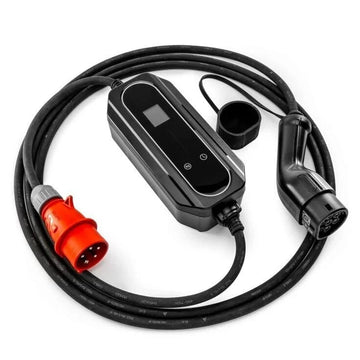
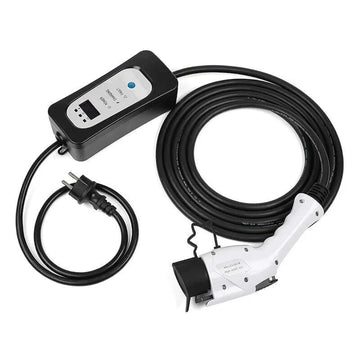
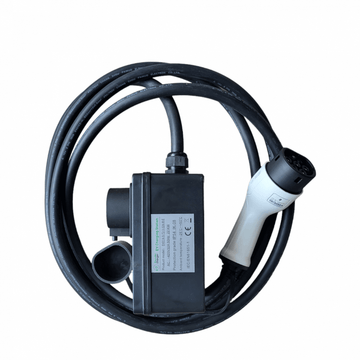
Most electric vehicles come with a charging cable that lets you plug into this type of socket (13 amp). It’s useful in emergencies or for EV drivers without a dedicated charger at home.

Can I Charge My Electric Car from a 13 Amp Socket?
Yes, you can charge your electric car from a 13 amp socket. Many EVs come with a granny charger that lets you plug into a standard plug. But while this works technically, it’s not recommended for regular use.
Using a 13 amp socket is best as a backup solution or when you’re visiting someone without a dedicated charger. It’s also common in rented properties that may not allow installing a proper home charger.
However, using a domestic socket repeatedly can strain household wiring over time. This charging method prevents taking advantage of off-peak tariffs or scheduled smart charging features.

How Slow is Charging via a Standard Socket?
Charging using a three pin socket is very slow based on rac.co.uk data. On average, three pin socket charging adds about 6 to 8 miles of range per hour. So fully charging an empty EV battery can take more than 24 hours using this method.
That’s because the power rating of a 13 amp socket is only around 3kW. In comparison, dedicated EV chargers and charging stations can provide from 7kW to 22kW or more with rapid charging.
So using a 13 amp socket is not the best option for drivers who drive a lot or need their car ready quickly. It’s okay for overnight charging, but not great for daily use.
Is it Safe to Charge This Way?
Charging from a normal socket is not always safe. Here’s why:
- Most domestic sockets aren’t designed to handle high power for hours.
- Old wiring can overheat and cause fires.
- Using an extension lead increases risks.
- You could get a fatal electric shock if the system fails or the wiring is faulty.
To reduce the risk, always make sure your wiring follows IET wiring regulations, get a periodic inspection, and never overload the socket.
Still, intalling dedicated EV charger at home is much safer than long-term use of a 13 amp socket.
Factors Affecting EV Charging Time
There are a few things that affect how long it takes to charge an electric vehicle:
Battery Capacity
The larger the battery, the longer it takes to fully charge. Most EVs today have batteries between 40kWh to 100kWh, so a 13 amp socket is too small to quickly handle large EV batteries.
Power Supply
A single phase 13 amp socket offers 3kW. In contrast, a charging station might offer 22kW, which is more than 7 times faster.
Charging Cable and Type
The cable you use makes a difference. Some cables are type 1 charging cables, others are type 2 charging cables. You might even need a type 1 to type 2 adapter or type 1 to type 2 charging cables, depending on the car.
Temperature
Cold weather slows down the charging process. EV batteries don’t like freezing temperatures, and charging too often in the cold might reduce battery life.
What Alternatives Exist for Safer, More Convenient Charging?
If you're serious about electric car charging, there are better options than using a 13 amp socket:

Home Chargers
Installing a home charger is the best thing you can do. They charge your car faster, safer, and are designed for regular use.
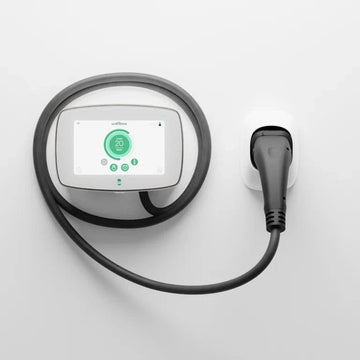
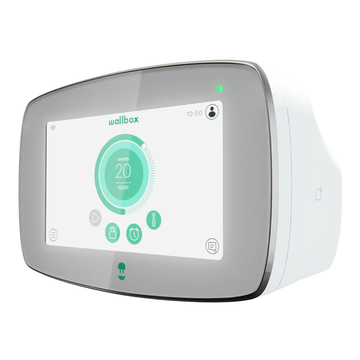
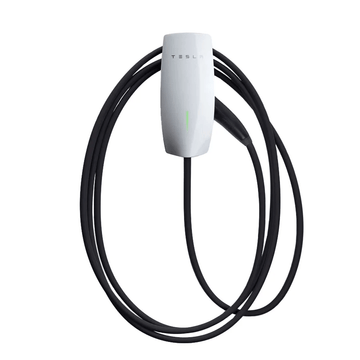
Check out such options as general EV home chargers, 22kW home chargers or even EV wall chargers. Tesla drivers should look into Tesla charging cables that are made to match your car.
Public Charging Points
Public charging points are a great way to top up when you're out and about. Many public chargers offer fast charging or even rapid charging, which can give you 80% battery in less than an hour.
Solar Panels and Off-Peak Charging
To save money, many EV owners use solar panels at home to generate electricity. Also, charging during off-peak hours (like late at night) can reduce your bills, especially if your energy plan has cheaper tariffs.
Advice for Charging at Home
Installing a dedicated EV charger is the most reliable and efficient long-term solution. It ensures faster charging, better energy management, and reduces the risk of electrical hazards. You should do specific steps to charge an EV safely at home:
- Avoid using a granny charger all the time.
- Don’t use an extension lead.
- Make sure your wiring is safe and updated.
- Follow wiring regulations.
- Get a professional installation for a dedicated charger.
- Check this guide: How to install EV charger at home
- And here’s the cost breakdown: EV charger installation cost.
Conclusion
So, can you charge an electric car from a 13 amp socket? Yes, but it’s just a backup plan, as it is slow, not always safe, and not great for the battery. Most electric vehicles today are designed to work with dedicated EV chargers, and are preferred for good reason.
If you’re serious about owning an EV, installing a proper home charger and using the right charging cable will make your life much easier. It’s faster, safer, and saves you time and money in the long run.