
Electric car maintenance costs refer to expenses required to keep an electric vehicle (EV) running properly, maintenance costs include tyre changes, brake servicing, software updates, battery health checks, and repairs.
It also covers the cost of charging the vehicle and potential part replacements. While electric vehicles have fewer moving parts than internal combustion engine vehicles, they still require professional attention over time.
Electric car maintenance costs are generally cheaper than petrol and diesel car maintenance costs, based on drivespark.com data. On average, an EV owner might spend around $900 or 820€ per year on maintenance. In comparison, petrol or diesel owners might spend about $1,200 or 1,100€ annually. This cost difference is due to the simpler mechanical structure of EVs, they don’t require engine oil, spark plugs, or exhaust system repairs, and electric motors need less maintenance overall.

What Goes Into EV Maintenance Costs?
Several factors contribute to the total electric car maintenance costs. While EVs don’t require oil changes, they still need care in areas like:
- Brake servicing: Thanks to regenerative braking systems, that reduce wear on brake pads and discs.
- Tyre maintenance: EV tyres wear out faster because of heavier battery packs. Tyre prices range between $120 - $200, or 110 - 180€ per tyre.
- EVs require wiper blades and screen wash top-ups as usual.
- Battery and software checks: Although many updates happen over the air, battery and software checks sometimes require visits to a service centre.
- Cooling systems: Some EVs use liquid cooling for the battery, which needs regular maintenance.
These costs remain lower than for internal combustion engine cars, which need regular maintenance of more complex parts like timing belts, clutches, and transmissions.
How Much Does Routine Charging of an EV Cost?
Charging at Home
Charging your car at home is usually the most economical option. In general, home electricity rates in the UK and Europe cost around $0.20 or 0.18€ per kWh. A full charge for an average 60kWh EV battery at home costs about $12 or 11€.
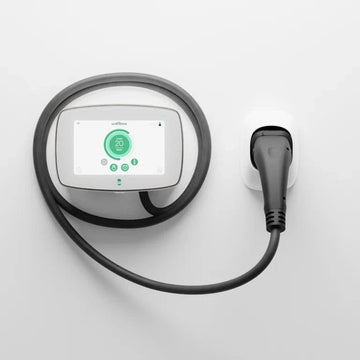
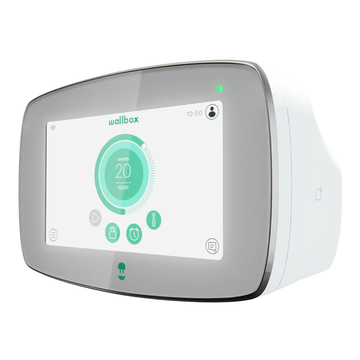
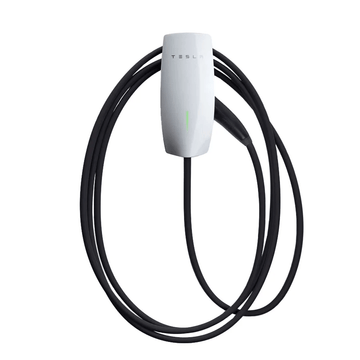
Many people install home wall chargers for faster charging. Devices like 22kW home chargers offer quicker refueling at home and are compatible with many newer electric cars. If you own a Tesla, Tesla charging cables ensure seamless home charging.
Public Charging
Public charging is usually more expensive, especially if using rapid chargers. Prices can reach up to $0.50 or 0.46€ per kWh. That means a full charge at a public station may cost around $30 or 27€, though some public chargers offer lower rates for members or overnight usage.
Types of Cables
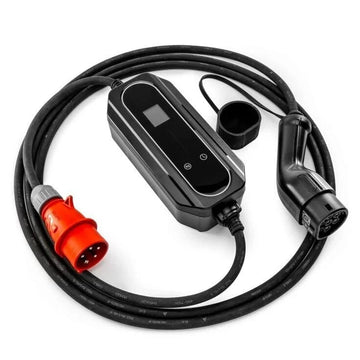
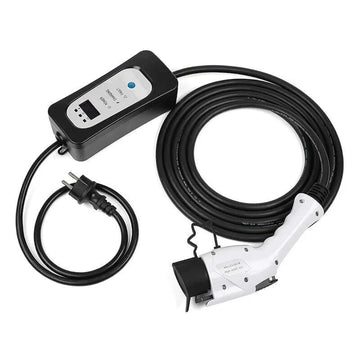
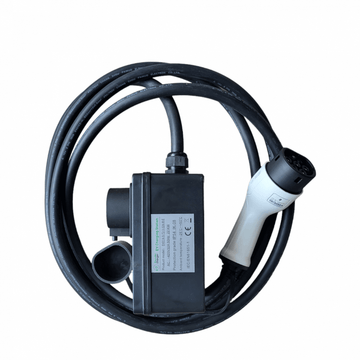
The type of cable you use matters too. Options like type 1 charging cable, type 2 charging cable, or type 1 to type 2 charging cables are essential depending on your EV's plug type. Type 1 to type 2 adapters can be helpful if you're switching between vehicles.
You can find more details in guides like how to install an EV charger at home or check the cost to install an EV charger at home to better understand your setup options.

How Much Does Servicing and Maintenance Cost?
Electric car service cost is lower because there are fewer parts to check and replace. On average an EV service costs around $200 or 180€, while petrol and diesel car service costs around $400 - $600 or 360€ - 550€
Some regular service intervals for electric vehicles are:
- Brake checks and tyre rotations every 10,000 to 15,000 miles (16,000 to 24,000 km)
- Battery health checks annually
- Cabin air filter replacement every two years
- Coolant system checks (for battery temperature regulation)
Battery Repair and Replacement Costs
The EV battery is the most expensive part of the car based on electriccarwiki.com data. Although modern EV batteries last 8 - 15 years, some may need repair or replacement sooner due to battery degradation.
- Repairing battery cells or connectors might cost $1,000 - $3,000 or 900€ - 2,700€
- Replacing the whole battery pack can cost $5,000 to $15,000 or 4,500€ - 13,600€, cost depends on the model and battery size
Most manufacturers provide an 8 year or 100,000 miles (160,000 km) battery warranty that protects EV owners from early repair or replacement costs.
Is Insurance More Expensive for EVs?
Yes, insurance is higher for electric vehicles, mainly because of the higher purchase price and the need for specialist knowledge during repairs. Average EV insurance costs $1,200 to $1,600 (1,100€ - 1,450€) per year. For comparison, petrol or diesel car insurance costs around $1,000 (910€) per year.
But this gap is narrowing as electric vehicles become more common and more insurers offer EV specific plans.
Do EVs Need MOTs and What Do They Cost?
Electric vehicles still need an MOT after 3 years. The MOT ensures your car is safe and roadworthy. It checks tyres, brakes, lights and steering, but does not check emissions, as electric cars produce zero tailpipe emissions.The MOT cost is around $70 (65€). Also, EVs have fewer moving parts and less wear so they tend to pass MOTs more easily.
How Much is VED?
Vehicle Excise Duty (VED) is a yearly tax UK drivers pay to use public roads. Currently electric vehicles are exempt from this tax due to environmental benefits. But UK car tax changes 2025 will introduce VED for EVs.
All EVs will be subject to the same VED rules as petrol and diesel cars from 2025. Most electric vehicle owners will pay the standard rate of £180 per year depending on the vehicle’s list price. EVs with list price over £40,000 will pay an additional ‘expensive car supplement’ of £390 per year.
Even with these changes electric cars will still be cheaper to tax than many diesel cars that have higher emissions.
What Are Hidden Costs of EVs?
Electric cars have many benefits, but they also come with some hidden costs that should be considered:
- EV depreciation: Some models lose value quickly due to release of newer models with better battery capacity.
- Home charger installation: This can cost between $800 and $1,500 (730€ - 1,370€), depending on the location and electrical system.
- Cable purchases: You might need extra charging cables depending on car or station compatibility.
- Tyre wear: Heavier EVs can cause faster tyre wear, increasing long-term cost.
- Service parts: EV-specific components might need replacement after many miles (e.g. inverter, controller).
Despite all this, most EV drivers find electric cars cheaper overall because of reduced service and fewer parts wearing out.

You should follow simple habits to keep electric car maintenance cost low:
- Use regenerative braking to extend brake life
- Keep tyres inflated correctly to reduce drag and wear
- Charge during off-peak hours if using home electricity with variable tariffs
- Avoid frequent fast charging, which may accelerate battery degradation
- Stick to regular servicing even if not strictly required
- Avoid overloading the vehicle, which increases tyre and battery wear

Are Electric Cars Cheaper than Petrol Cars? (
Cost of Running an EV vs a Petrol Car)
Yes, in most cases they are. Although EVs have higher upfront cost, they require less maintenance, fewer trips to the mechanic and they use cheaper fuel. Petrol and diesel cars need frequent oil changes, spark plug replacements and engine servicing, while electric cars avoid most of that with fewer moving parts and zero tailpipe emissions.
On a yearly basis the total running cost for an electric vehicle, that includes fuel, insurance, charging and maintenance, is around $1,000 - $1,200 (910€ - 1,100€). While a petrol or diesel car cost includes fuel, insurance and repair is around $2,000 - $2,500 (1,820€ - 2,270€) per year.