
22 kW EV Charging Stations
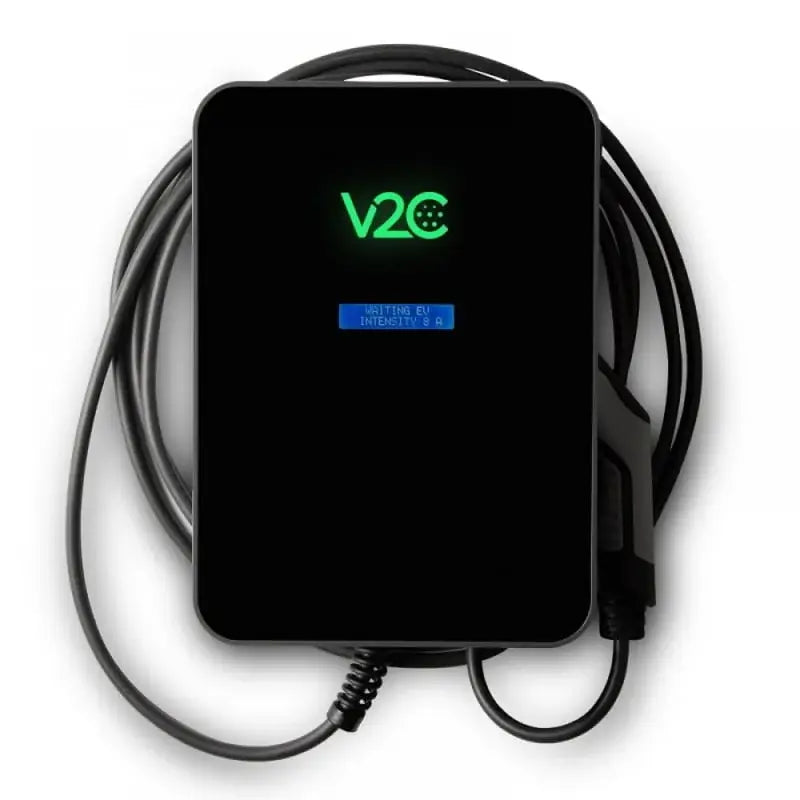
V2C Trydan charging station 22kW with display, 3 phase, Type 2 cable (5m), dynamic balancing
V2C Trydan charging station 22kW with display, 3 phase, Type 2 cable (10m), dynamic balancing
V2C Electric PRO version charging station 22kW with screen, 3-phase, Type 2 cable (5m), dynamic balancing
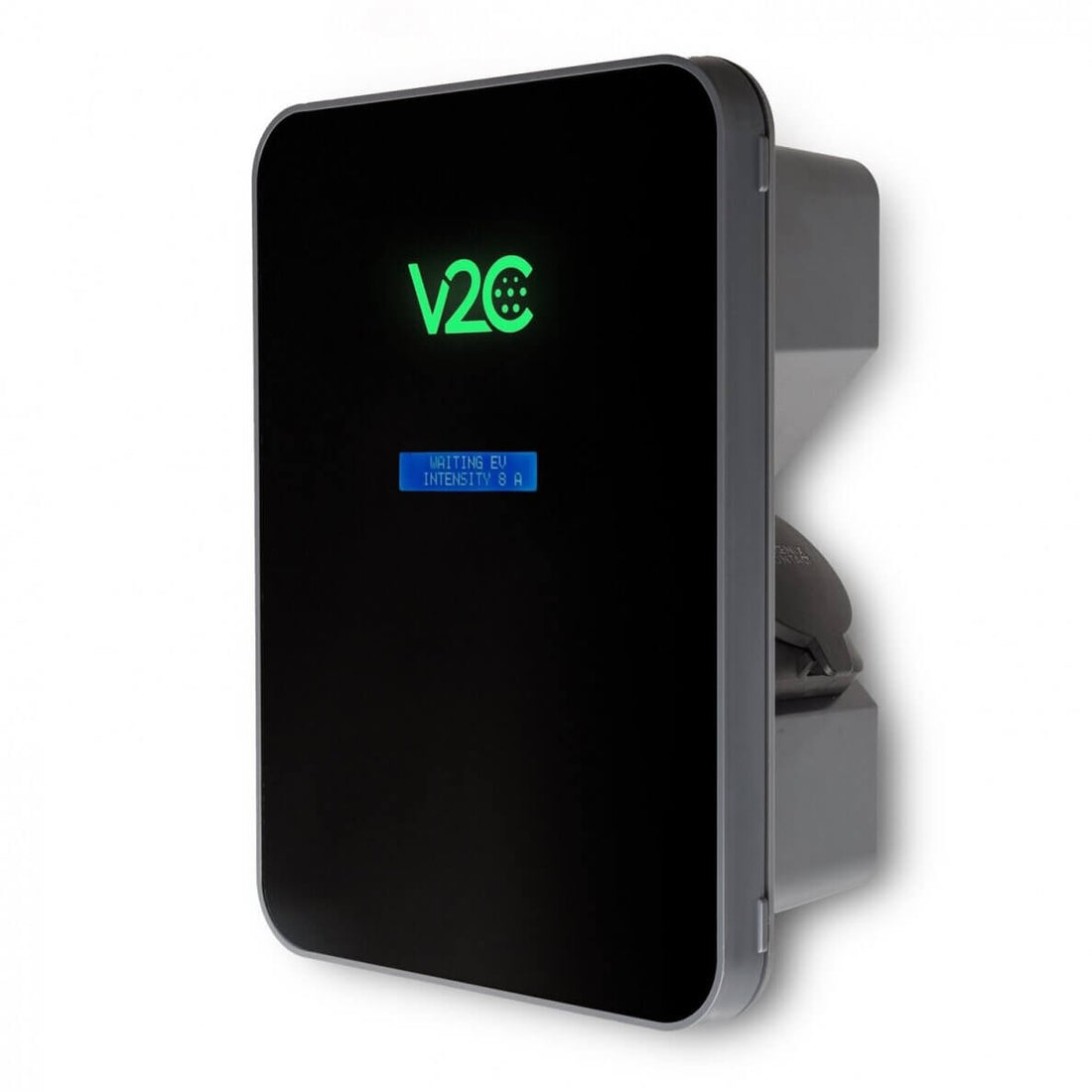
V2C Trydan charging station 22kW with display, 3 phase, Type 2 plug, dynamic balancing

Charging station BS20-BC-22 kW with app, type 2 cable 5m long

Charging station VCS-MB 22kW with app and cable 5m long, type 2

22 kW ACH-QE11 charging station with Type 2 socket

Charging station 22 kW CN-ANS loading station with app, RFID card and OCPP protocol

Charging Station 22kW with App and 5m Type 2 Cable,

Morek brand 22 kW charging station Type 2 cable (6.5m), dynamic balancing

CREAXIO charging station 22 kW ECW-20-ES series

Yingrao Charging Station 22kW with Type 2 Socket and APP

Yingrao Charging Station 22kW with Type 2 Cable and App

V2C Electric PRO version charging station 22kW with screen, 3-phase, Type 2 cable (5m), dynamic balancing
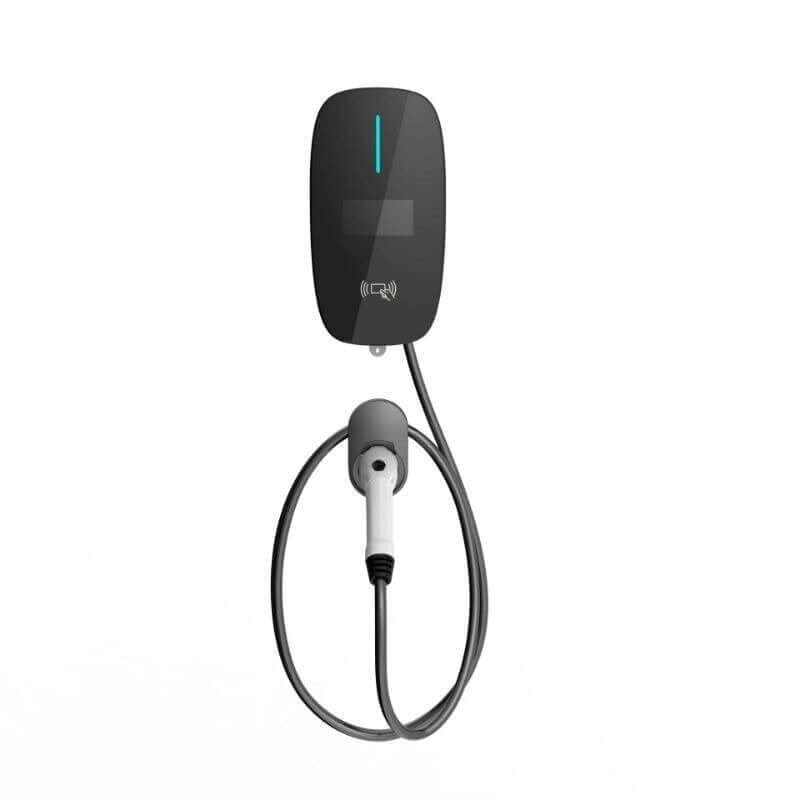
Charging station 22 kW HCAC-NH104 with app or card

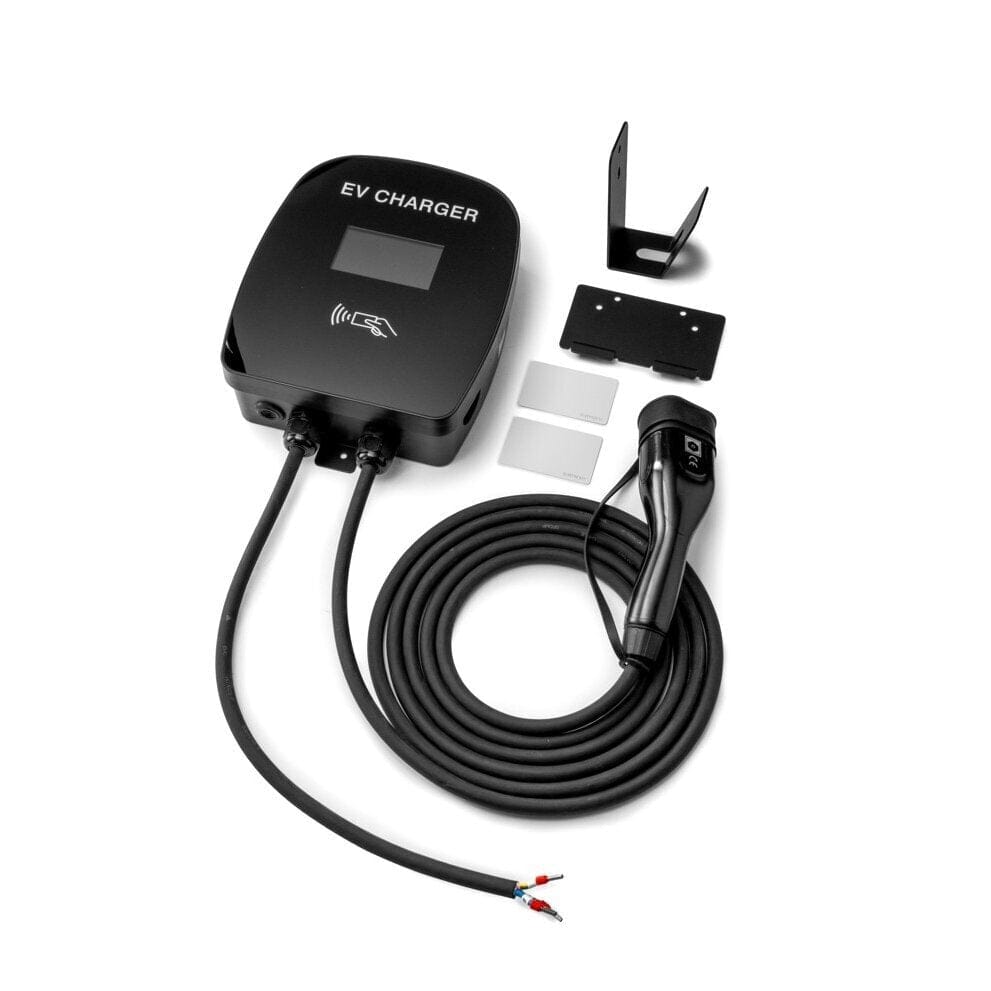
HYSUN charging station Wallbox 22kW with type 2 cable, 5m, OCPP protocol,
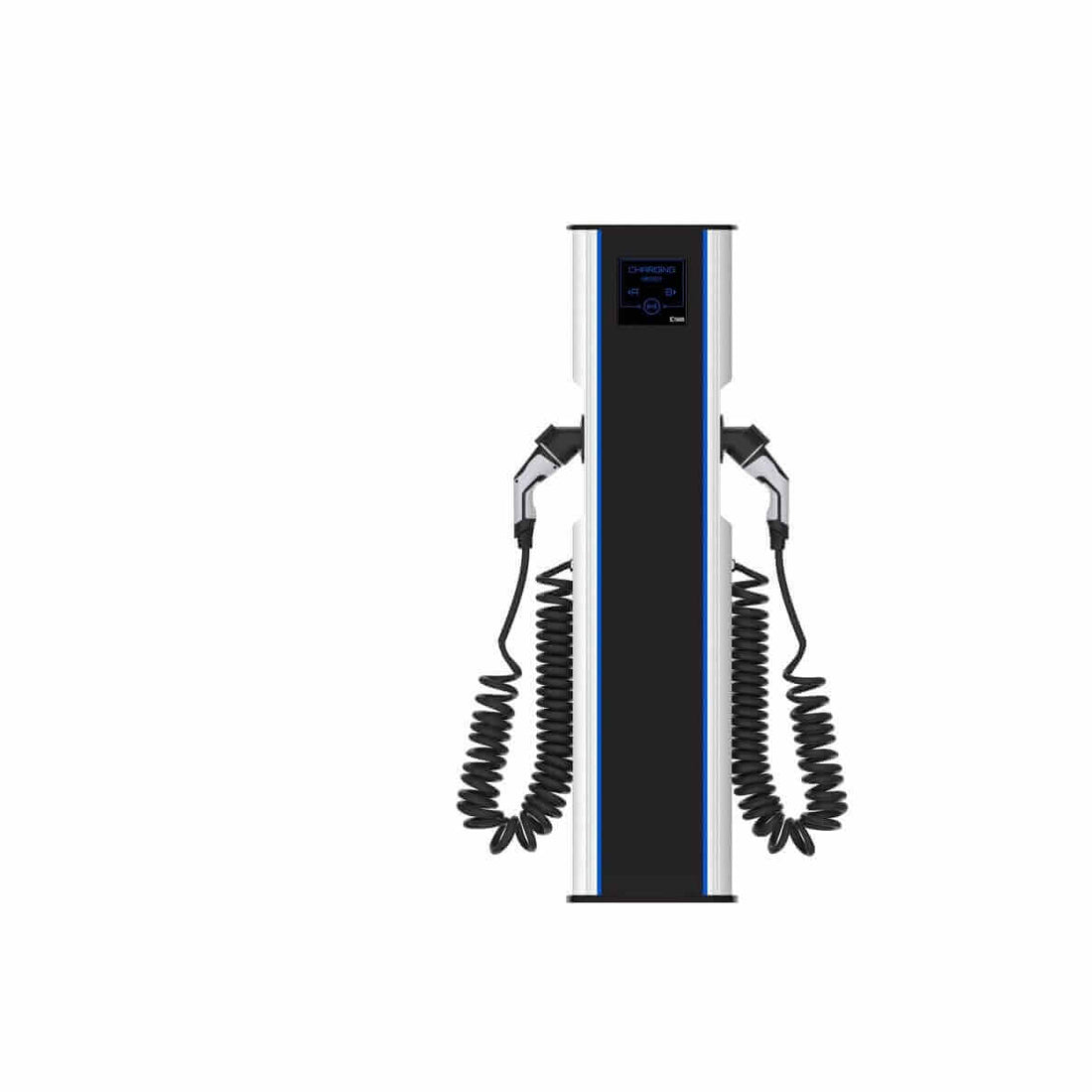
CityCharge V2 Plus charging station with charging cables

CityCharge-Mini2 charging station

CityCharge V2 charging station

Charging station CityCharge Mini2 Plus 3

EcoPillar 2x22kW charging station with OCPP protocol, Wi-fi control

Tesla Wall Connector Gen 3 EU charging station
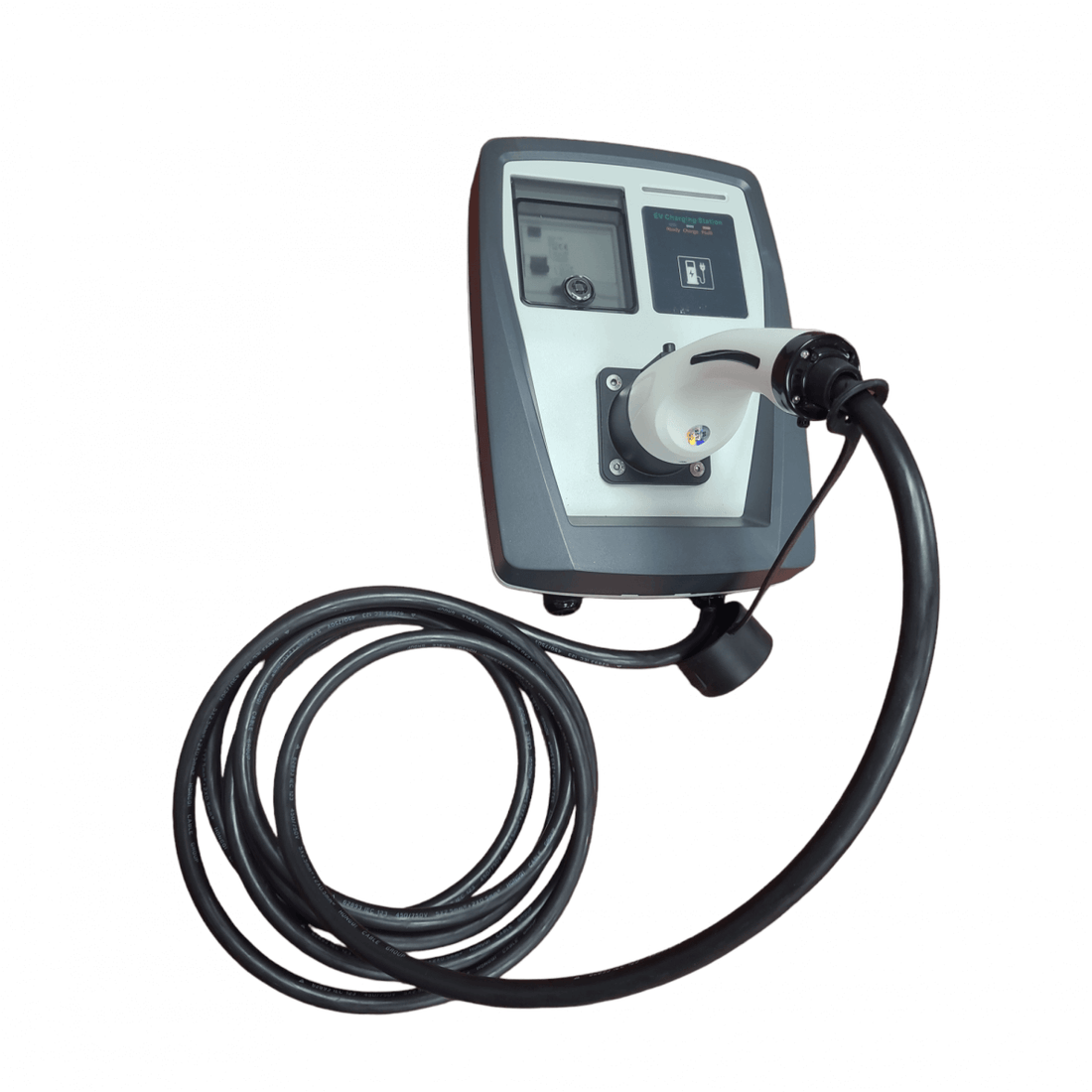
Charging station 3 phase , 22Kw with type 2 cable + balancing power regulation
- Featured
- Most relevant
- Best selling
- Alphabetically, A-Z
- Alphabetically, Z-A
- Price, low to high
- Price, high to low
- Date, old to new
- Date, new to old
Recently Viewed Products
Three-phase EV charging stations suit home driveways with the right supply, offices and commercial car parks, for electric cars and plug-in hybrids alike. The collection brings together wall-mounted stations with a fixed cable or a socket, dual-point stations that charge two cars at once and floor-standing pillars for business sites, with app control and dynamic load balancing on many of them.
A 22 kW EV charging station is an AC charging point, usually mounted on a wall or, as a pillar, on the ground, that charges an electric car through a Mode 3 Type 2 connection, the current European standard. The station delivers 22 kW at 32 A over three live conductors at 400 V, and the car's on-board charger converts the AC into DC for the battery.
How to choose a 22 kW EV charging station?
22 kW EV charging stations differ in three ways: connection, charging points and smart control.
- Connection. A tethered station has its cable permanently attached, while a socketed station has a Type 2 socket instead, exposed to weather and knocks. Tethered cables here run from 4.8 m to 10 m.
- Charging points. Dual-point stations have two Type 2 sockets or two cables at 22 kW each, a total charging power of 44 kW, and charge two vehicles simultaneously.
- Smart control. Stations with an app over Wi-Fi and Bluetooth set schedules and adjust the charging current. Some balance load with a CT clamp that reduces charging speed when total home usage gets too high.
22 kW EV Charging Stations: frequently asked questions
Does a 22 kW charging station need a three-phase supply?
Yes, a 22 kW charging station needs a 400 V three-phase supply, which a lot of commercial properties have and many homes do not. A three-phase supply typically has three 100 A fuses, a single-phase supply one. On a single-phase supply, charging tops out at 7.4 kW (32 A). A certified electrician checks the supply and does the installation.
Can a 22 kW charging station charge a car that only takes 7 kW?
Yes, a 22 kW charging station charges such a car, but only at 7 kW, because the car's on-board charger, not the station, sets the AC charging speed. Most new cars' on-board chargers accept up to 11 kW. These cars charge 1.5 times faster on a 22 kW station than on a 7 kW one.
How much does a 22 kW home charging station cost?
A 22 kW home charging station may cost between 1,500€ and 2,200€, according to the store's 2025 installation cost figures, which include installation by a qualified electrician and usually a smart unit with Wi-Fi. An upgrade to three-phase power, when the home needs one, could add 1,000–2,500€. Installation also costs more the further the station sits from the main fuse box.
Are 22 kW charging stations suitable for business car parks?
Yes, some 22 kW charging stations are designed for commercial parking lots as well as homes and offices. A lot of commercial properties already have the three-phase supply they need. Stations with the OCPP protocol let a business monetise the charging point as a service, for operators such as retail centres, hospitality providers and restaurants. RFID authentication limits charging to authorised users.
Can a 22 kW charging station charge from solar panels?
Yes, some 22 kW charging stations are solar compatible and connect directly to a solar power system, so the car charges on clean energy. Smart stations with Wi-Fi also add remote control and energy usage tracking.
What charging cable does a socketed 22 kW charging station need?
A socketed 22 kW charging station needs a separate Type 2 charging cable, because an untethered station has a socket instead of a fixed cable. The cable has to match the power: a 22 kW wallbox paired with the wrong cable does not deliver 22 kW. Cables for this power are collected under 22kW charging cables.
What is the difference between a 7 kW and a 22 kW charging station?
A 7 kW and a 22 kW charging station differ in supply and speed: 22 kW needs three-phase power, while single-phase charging stops at 7.4 kW. A 22 kW station charges a 50 kWh battery in just over two hours, against seven hours at 7 kW, yet many drivers may see little or no improvement when the car's on-board charger limits charging. For a single-phase home, the 7 kW EV charging stations match the supply.
